Whatsapp:+86-155 6396 5183

Date:2026/2/28 10:48:54 visits:118
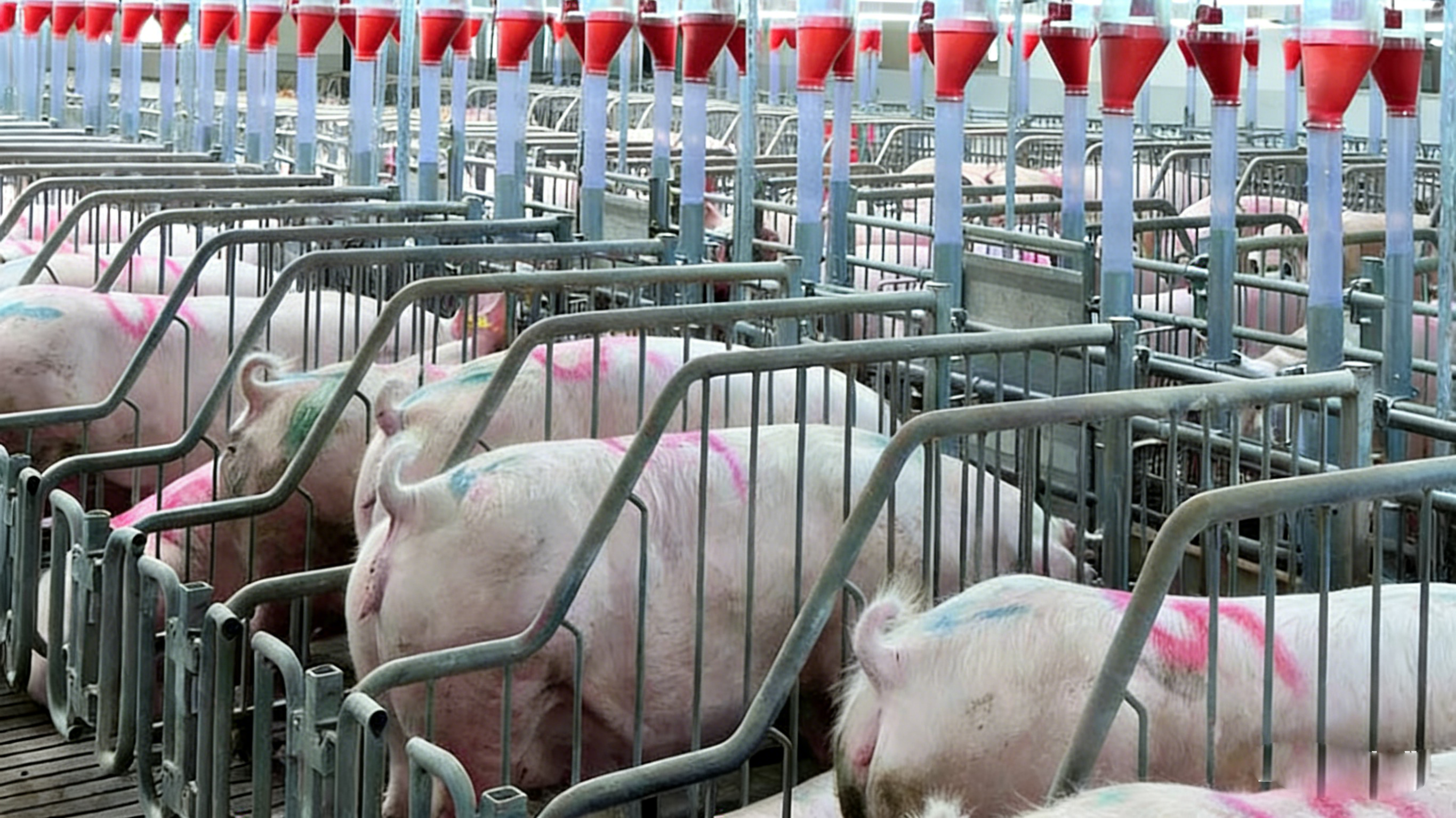
Artificial insemination (AI) is no longer just a reproductive technique — it is a strategic tool that directly impacts productivity, genetic progress, and overall farm profitability.
AI allows farms to use high–genetic-merit boars in a controlled and large-scale manner. This increases selection pressure, improves herd uniformity, and accelerates progress in key traits such as growth rate, feed conversion, and litter size.
Well-managed AI programs contribute to:
Higher farrowing rates
More piglets born alive
Better reproductive planning and batch management
More piglets weaned per sow per year means lower fixed cost per kilogram produced, directly improving margins.
AI reduces direct animal-to-animal contact, lowering the risk of disease transmission. Since subclinical health challenges negatively affect ADG and FCR, maintaining strong biosecurity through AI is critical for protecting performance.
Techniques such as post-cervical AI (PCAI) enable reduced semen doses without compromising results, improving cost-efficiency while maintaining genetic progress.
AI supports accurate recordkeeping, synchronized breeding schedules, and predictable production flows — essential for modern, data-driven farm management.
In a production system where feed accounts for the majority of total costs, every improvement in reproductive efficiency translates into measurable economic gains.
Artificial insemination is not simply a breeding method — it is a core driver of competitiveness, profitability, and sustainability in modern swine production.