Whatsapp:+86-155 6396 5183

Date:2026/3/2 19:08:48 visits:198
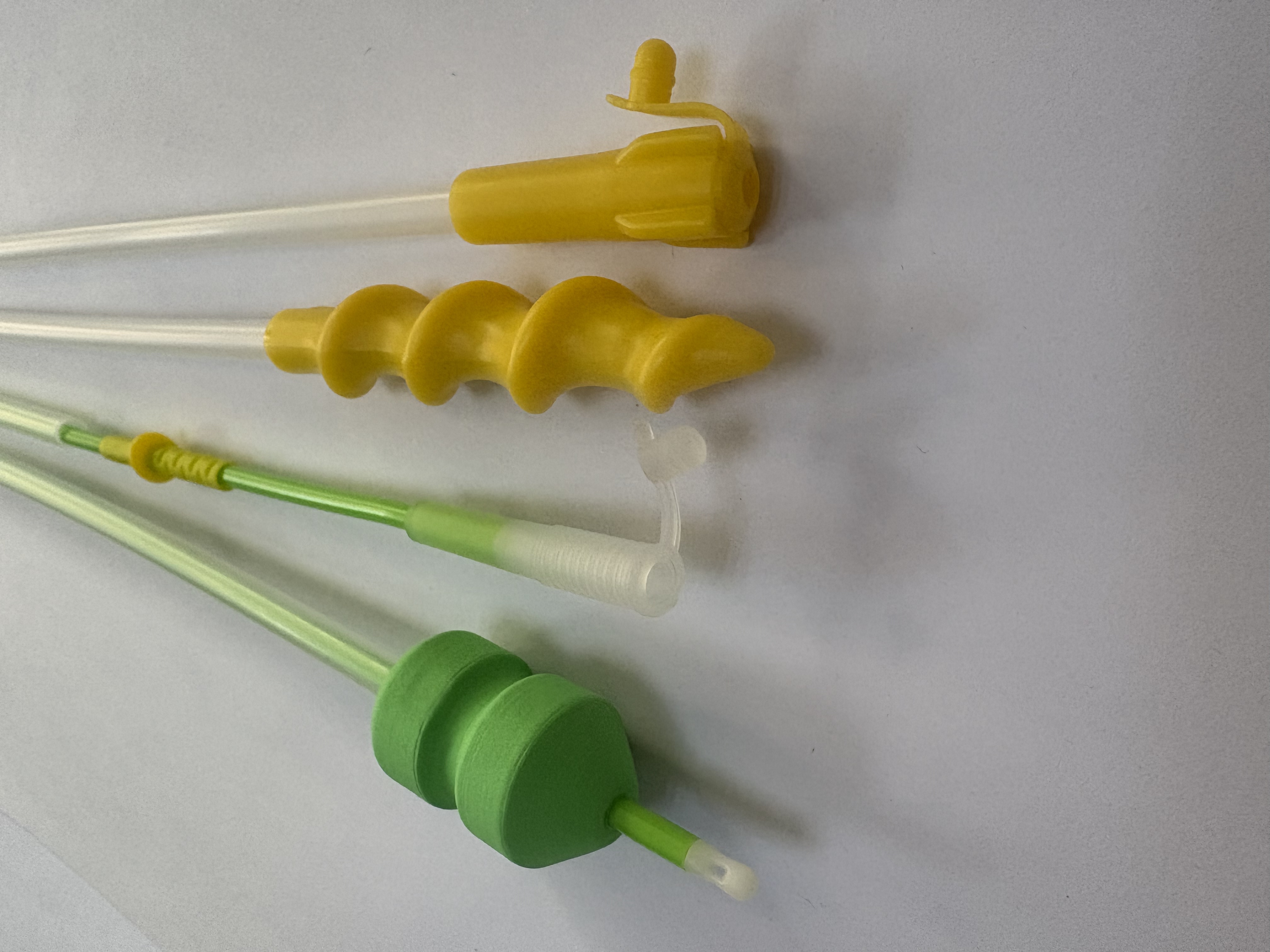
Artificial insemination has revolutionized modern pig farming, enabling producers to enhance reproductive efficiency, control costs, and meet the increasing global demand for pork. Choosing the correct catheter is crucial for successful insemination, as an inappropriate device can reduce efficiency and compromise the welfare of the sow.
The catheter is the key tool that delivers semen into the sow’s reproductive tract safely and effectively. A catheter that doesn’t align with the sow’s cervical anatomy can lead to:
Semen backflow
Difficulty inserting the catheter
Wasted semen doses
Increased stress or potential injury for the animal
Ensuring that the catheter matches technical and anatomical requirements is essential for a smooth and safe procedure.
Sows have a complex cervical structure that varies with age, parity, and genetic background. Using a catheter that fails to accommodate these differences can result in poor anchorage, incomplete semen deposition, and lower insemination success.
Catheters designed to fit the cervical anatomy help achieve:
Easy and smooth insertion
Stable fixation during the process
Efficient semen delivery with minimal stress
Two main types of catheters are widely used in conventional pig artificial insemination: foam catheters and spiral catheters.
Foam Catheters
Foam catheters rely on controlled expansion to fit the sow’s cervix. This helps prevent semen reflux, a common factor that can reduce insemination efficiency. Key considerations include foam volume and density, which influence:
Proper cervical adaptation
Secure fixation during insemination
Stable positioning throughout the procedure
Spiral Catheters
Spiral catheters mimic the shape of the boar’s glans, allowing strong cervical anchoring and stimulating the sow’s cervix. Differences in spiral turn count and material rigidity affect cervical fit, ease of use, and operator preference.
Foam vs. Spiral
Foam catheters excel in anatomical adaptation and are easy to handle, while spiral catheters provide more stimulation and firmer fixation. The choice depends on herd management priorities, but the ultimate goal is the same: efficient semen deposition with minimal loss.
Regardless of type, a high-quality catheter should have:
Optimized foam expansion (for foam catheters) to reduce backflow
Appropriate outlet size to control semen flow and match the sow’s absorption rate
Safe, durable materials that meet hygiene and quality standards
Adaptability to sow physiology, including differences among nulliparous and multiparous sows, as well as various breeds
These factors improve handling, reduce stress, and support successful reproductive outcomes.
Selecting a catheter designed for the sow’s anatomy, manufactured with reliable materials, and adaptable to different parity groups can enhance insemination success, reduce semen waste, and safeguard animal welfare.
A well-chosen catheter contributes not only to improved reproductive performance but also to a more efficient and sustainable pig production system.
Previous 信息:暂无
Next 信息:Why Is Artificial Insemination So Important in Modern Swine Production?